PLI, China, and the WTO: Why India Must Defend Strategic Manufacturing By PMO.Sagar Zilpe a Startup India Lead Mentor


Sagar Zilpe

Principal Transformation Consultant | Interim CTO | AI & PMO Advisor (Gen AI/ Enterprise

PLI, China, and the WTO: Why India Must Defend Strategic Manufacturing By PMO.Sagar Zilpe a Startup India Lead Mentor


China’s recent complaint at the World Trade Organization against India’s Production Linked Incentive (PLI) scheme is being projected as a technical trade dispute.

It is not.

This is about who gets to build, who gets to scale, and who writes the rules after reaching the top.


From “Make in China” to Kicking Away the Ladder [ Copy of Make in India]

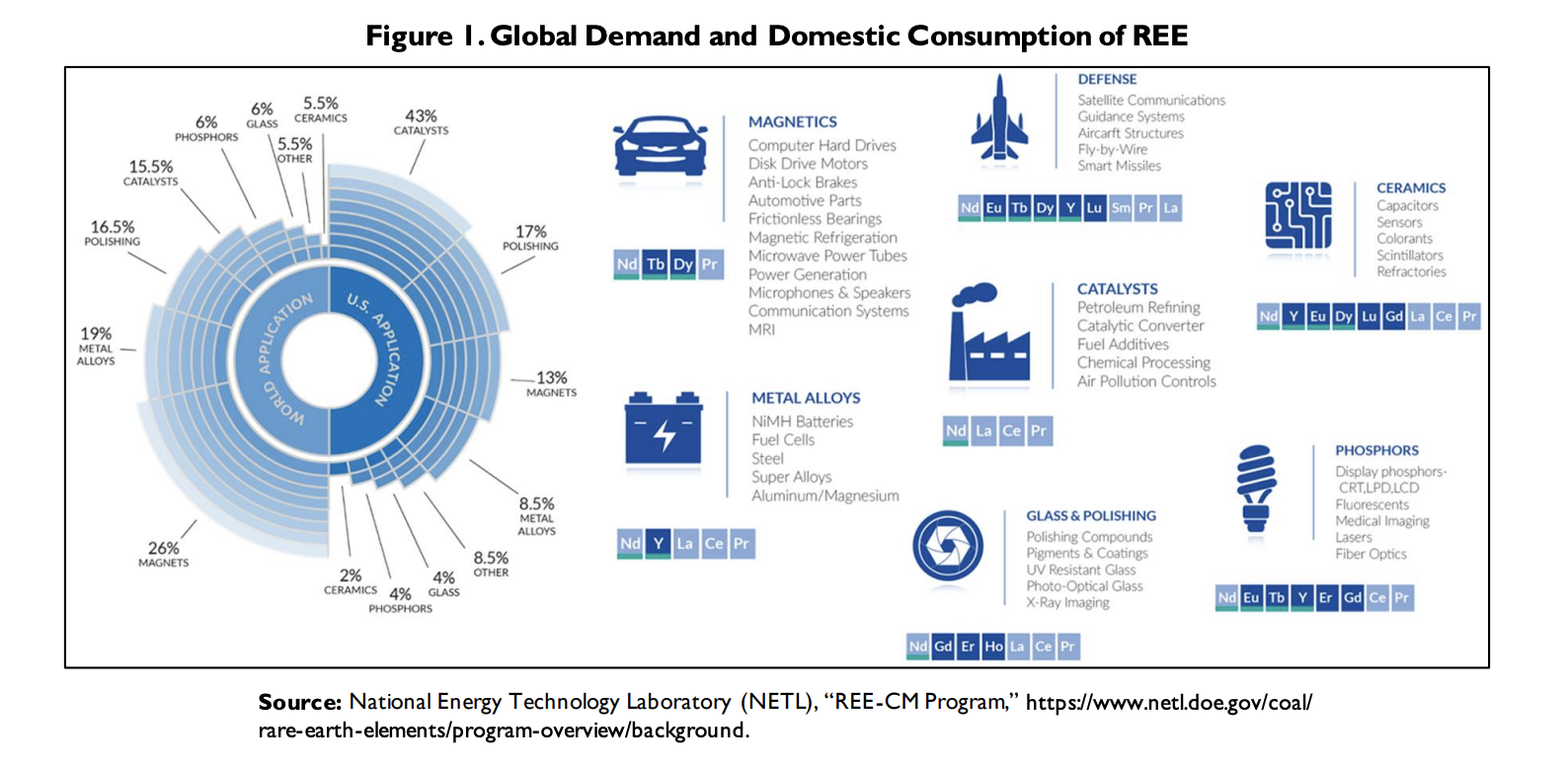
China’s dominance in rare earths, EVs, and advanced manufacturing did not emerge from free markets alone. It was built through:

  • Long-term state-backed industrial policy
  • Heavy R&D subsidies
  • Protected domestic scaling

Now, after climbing the ladder, China questions India for using similar, WTO-compliant tools.

This is the classic “kicking away the ladder” principle.

Rare Earths & EVs: Strategic Assets, Not Just Commodities

China controls a significant share of:

  • Rare earth processing
  • Battery-grade materials
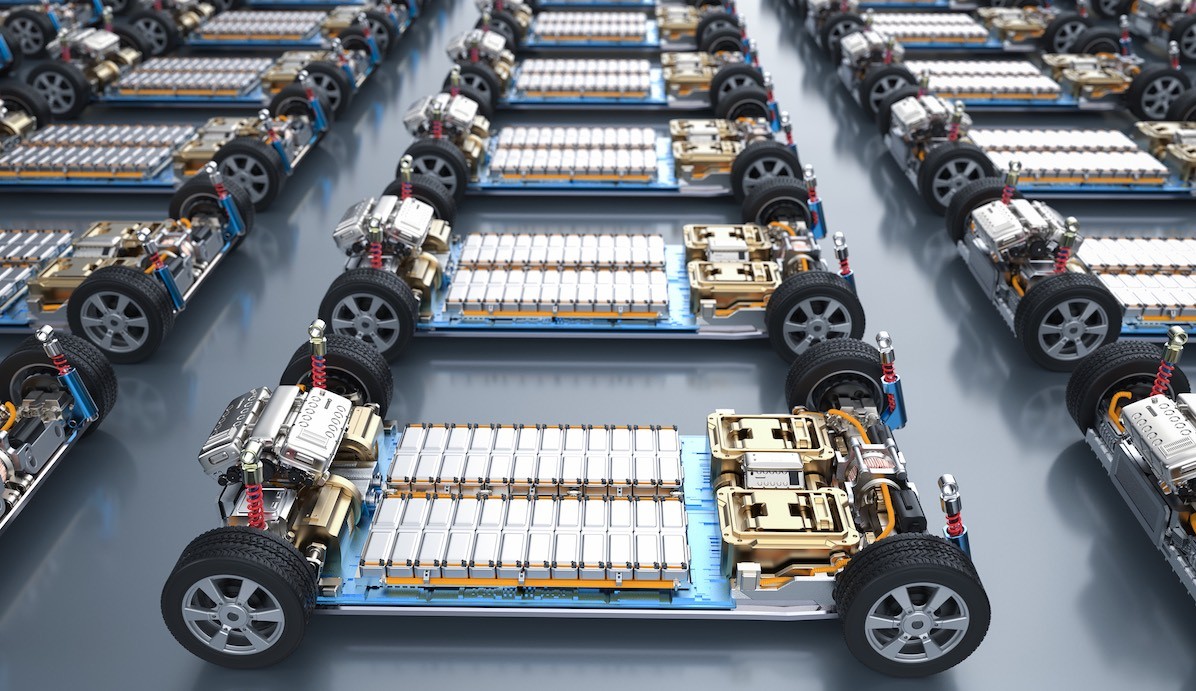
  • EV supply chains

For decades, countries like India exported raw materials, while China refined, patented, and captured value.

This is why EVs, batteries, and advanced chemistry are no longer just “industries”—they are strategic assets.


Climate Commitments Make PLI Necessary

India is a signatory to the Paris Agreement and has committed to the Panchamrit goals:

  • Clean energy transition
  • EV adoption
  • Long-term carbon reduction

EV manufacturing and battery ecosystems are essential to meeting these commitments. China subsidised EVs for years, achieved dominance, and now questions others for doing the same.

That is not climate leadership—it is market consolidation.


Techno-Nationalism Is Now Global Reality

Let’s be honest:

  • The US protects semiconductors, space, and EV supply chains
  • The EU funds strategic tech industries
  • Japan and Korea built champions through state support

India choosing strategic manufacturing is not an exception—it is alignment with global reality.


Why PLI Is WTO-Defensible

PLI is:

  • Performance-linked
  • Output-based
  • Time-bound

It supports:

  • Design & engineering
  • Software development
  • Process innovation
  • IP creation

Even when components are imported, value is created domestically—which is fully aligned with modern global supply chains and WTO interpretations around R&D-linked incentives.


National Security Cannot Be Outsourced

India needs advanced manufacturing for:

  • Space missions
  • Defence mobility & EV logistics
  • Energy storage
  • Strategic autonomy

With China’s proximity to adversarial nations like Pakistan, over-dependence is not an option.

This is not protectionism. This is prudence.


Understanding the WTO Process: India Has Time

The WTO dispute mechanism involves:

  1. Consultation (≈60 days)
  2. Expert panel review
  3. Report, discussion, and ruling (6–12 months)

India is not required to dismantle PLI immediately. This is a long process—and one where strong legal and policy defence matters.


The Way Forward for India

India must:

  • Defend PLI confidently
  • Reframe the narrative from “subsidy” to “strategic capability”
  • Invest deeper in R&D, design, and IP
  • Empower Indian entrepreneurs the way the US empowered its innovators


To Conclude

PLI is not anti-trade. PLI is pro-India, pro-climate, and pro-future.

India must not retreat when challenged for doing what every successful industrial nation has done.

This is our ladder—and we must climb it.


#PLI #MakeInIndia #StartupIndia #WTO #EVPolicy #RareEarths #TechnoNationalism#Manufacturing #ClimateAction #NationalSecurity #Geopolitics #IndiaGrowth